I’m 35 With $0 Saved for Retirement — Here’s My Catch-Up Plan
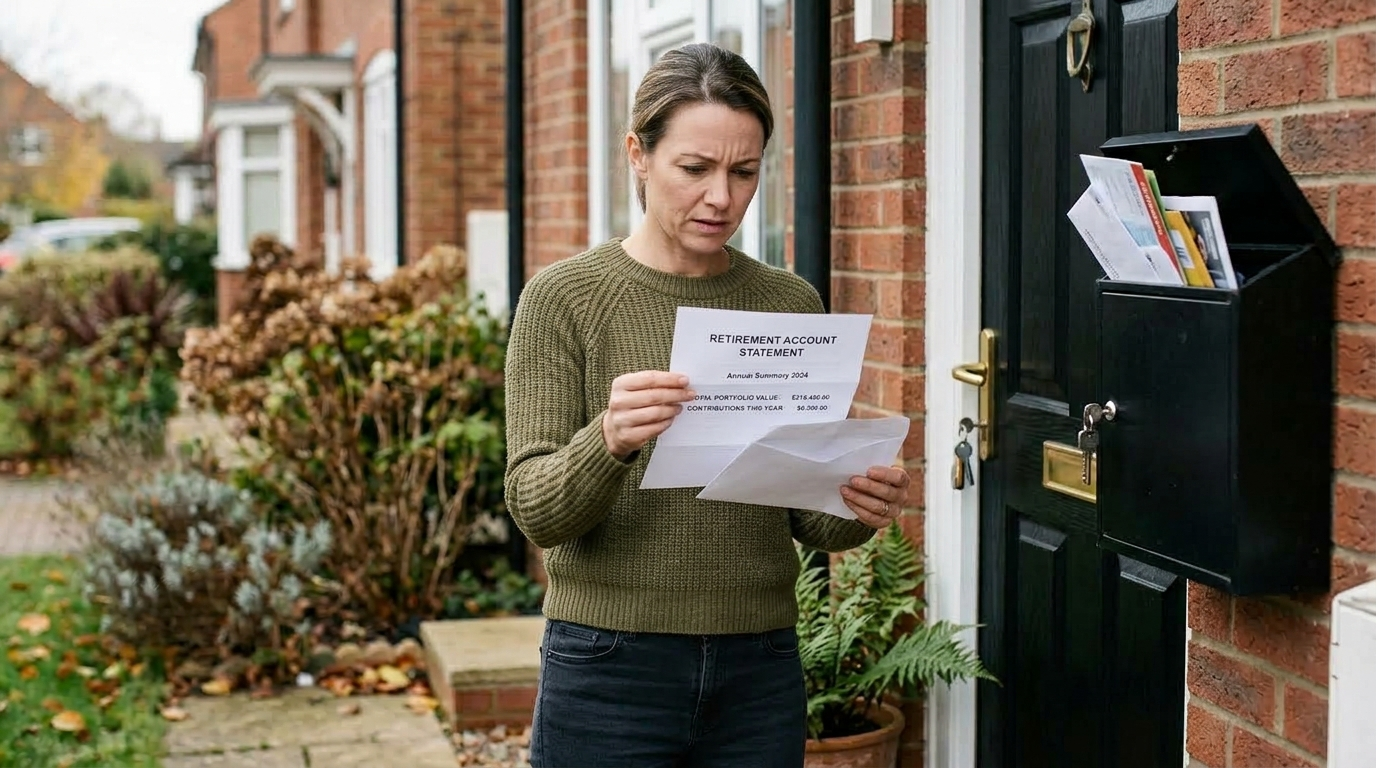
If you’re 35 with nothing saved for retirement, here’s the first thing worth knowing: you’re not as far behind the “typical” American as the scary headlines make it sound, and there’s a real, specific plan for closing the gap — not just vague advice to “save more.”
First, the Honest Numbers
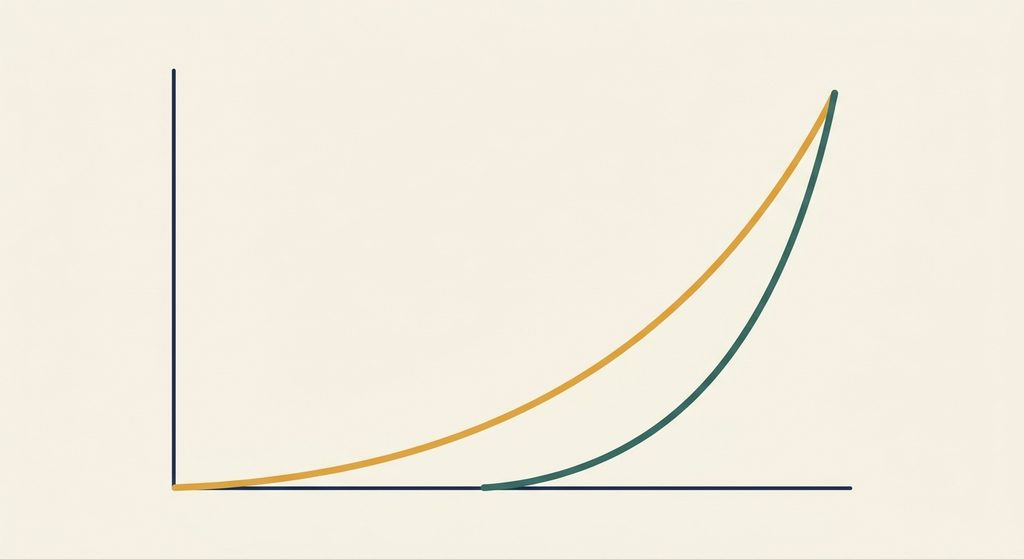
The median retirement account balance for households aged 35-44 is around $40,000-$45,000 — but that’s a median across everyone in the bracket, meaning plenty of people in this exact age group have $0, $5,000, or less. Fidelity’s benchmark suggests having roughly 2x your salary saved by age 35, but the median American is sitting closer to 1.1x, and a meaningful share have nothing at all. If you’re starting from zero, you’re behind the ideal benchmark, but you’re in the same boat as a huge number of your peers — not some unusual outlier.
The good part: compound growth still has 25-30+ working years ahead of you. Starting now, even without catch-up contribution eligibility yet (that kicks in at 50), still gives your money serious time to grow.
Step 1: Get the Employer Match First, No Exceptions
If your employer offers any 401(k) match, this is the single highest-return move available to you — it’s an immediate, guaranteed return before your money is even invested. Contribute at least enough to get the full match before doing anything else on this list. Walking away from a match is walking away from free money that no other strategy on this page can match in guaranteed return.
Step 2: Open a Roth IRA and Automate a Contribution
For 2026, the Roth IRA contribution limit is $7,500 (or $8,600 if you’re 50+, which doesn’t apply yet at 35, but is worth knowing for later). A Roth IRA is particularly valuable starting from zero because:
- Contributions (not earnings) can be withdrawn penalty-free at any time, which lowers the psychological barrier to starting
- Growth and qualified withdrawals in retirement are completely tax-free
- At 35, you likely have decades of tax-free compound growth ahead of you
A realistic starting target: even $200-$300/month into a Roth IRA, automated so you never have to decide to do it manually, adds up to $2,400-$3,600/year — a meaningful start rather than nothing.
Step 3: Understand the Backdoor Roth (If You’re a Higher Earner)
If your income is too high to contribute directly to a Roth IRA, the backdoor Roth IRA strategy lets high earners get there anyway: contribute to a traditional (non-deductible) IRA first, then convert it to a Roth IRA shortly after. You’ll owe tax on any investment growth between the contribution and conversion, but if you convert quickly, that’s typically minimal. This is a completely legal, widely used strategy — not a loophole in the shady sense, just a workaround for Roth income limits.
Step 4: Max Out What You Can, in the Right Order
Once the match and Roth IRA are in motion, here’s the general priority order most financial planners recommend:
- 401(k) up to the full employer match (already covered in Step 1)
- Roth IRA, up to the annual limit ($7,500 in 2026)
- Back to your 401(k), increasing contributions toward the full $24,500 annual limit if your budget allows
- A taxable brokerage account for anything beyond that, once tax-advantaged space is maxed
You don’t need to hit every level immediately — this is a ladder to climb over years, not a checklist for month one.
Step 5: Where Crypto Fits (If You Want Exposure)
This is genuinely new territory in 2026: crypto is no longer confined to speculative trading apps — it’s increasingly available inside actual retirement accounts. Spot Bitcoin and Ethereum ETFs can now be held inside a Roth IRA or traditional IRA at several major brokerages (Fidelity and Schwab both offer access), letting you get crypto exposure with the same tax advantages as your other retirement holdings, rather than in a separate taxable account.
What’s changed recently: some crypto ETFs have started distributing “staking rewards” directly to shareholders, functioning similarly to a dividend — meaningful for retirement accounts since dividends and staking rewards reinvested inside a Roth IRA grow completely tax-free. A small but growing number of large employers have also begun offering crypto-matching in 401(k) plans, where a portion of the employer match can go into a Bitcoin or Ethereum fund alongside traditional investments.
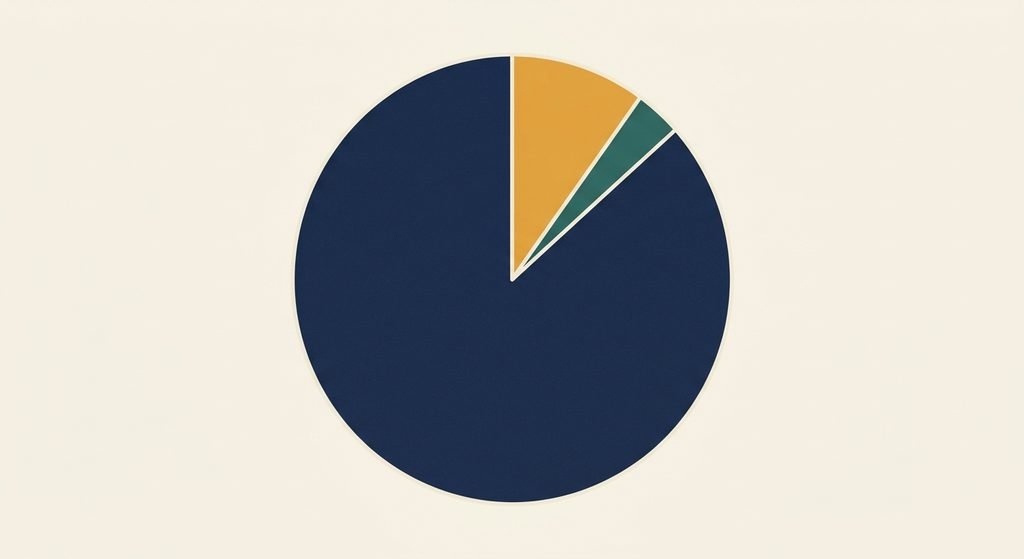
A grounded way to think about it: if you want crypto exposure as part of your retirement mix, doing it through a spot ETF inside your Roth IRA is generally considered a more risk-managed approach than buying crypto directly on an exchange, since it sits inside a regulated, diversified account structure rather than an isolated speculative position. Most advisors who support any crypto allocation at all still frame it as a small satellite position (often cited in the 1-5% range of a total portfolio) rather than a core retirement holding — crypto remains significantly more volatile than diversified stock index funds, and a catch-up plan starting from zero benefits more from consistency than from chasing outsized swings.
Step 6: Don’t Ignore Social Security, But Don’t Rely on It Either
For context on the safety net underneath all of this: the maximum Social Security benefit at full retirement age in 2026 is $4,152/month, but most people receive far less — the average benefit replaces roughly 40% of pre-retirement income for a median earner. That’s meaningful, but nowhere near enough on its own, which is exactly why the personal savings side of this plan matters as much as it does.
A Realistic Month-by-Month Catch-Up Framework
- Confirm your employer match percentage and contribute at least that much to your 401(k) immediately.
- Open a Roth IRA this month if you don’t have one, and set an automated monthly transfer — even $100-$200 to start.
- Increase your Roth contribution by a fixed amount (even $25/month) every time you get a raise, before lifestyle inflation absorbs it.
- Revisit your 401(k) contribution percentage every 6-12 months, nudging it upward as your income grows.
- If exploring crypto exposure, do it inside your Roth IRA as a small allocation, not as a separate speculative side account.
The Bottom Line
Starting at 35 with $0 saved isn’t a crisis — it’s a genuinely common starting point, and the math still works in your favor with 25-30 years of compound growth ahead. The plan isn’t complicated: capture the match, automate a Roth IRA contribution, and build upward from there — with any crypto exposure treated as a small, tax-advantaged slice of the plan rather than the plan itself.
This post reflects 2026 contribution limits, Social Security figures, and crypto retirement account availability as of September 2026. This is general educational information, not personalized investment advice — consult a financial advisor for guidance specific to your situation, and understand that crypto assets carry significant volatility and risk.