
Student Loan Forgiveness in 2026: What’s Actually True Right Now
If you’ve searched “student loan forgiveness 2026” recently, you’ve probably landed on a mess of contradictory headlines — some saying forgiveness is dead, others saying it’s still happening, and plenty of outdated articles still talking about programs that don’t exist anymore. Here’s the actual, current picture.
The short version: student loan forgiveness isn’t dead in 2026. What ended was the SAVE plan and the Biden-era attempt at broad one-time cancellation. What’s still very much alive: Public Service Loan Forgiveness, Income-Based Repayment forgiveness, borrower defense claims, and disability discharge. The rules changed significantly this year — but the programs themselves are still processing real forgiveness for real borrowers.
What Changed on July 1, 2026
This date matters more than almost anything else in your student loan situation right now, because it splits borrowers into two different rule sets.
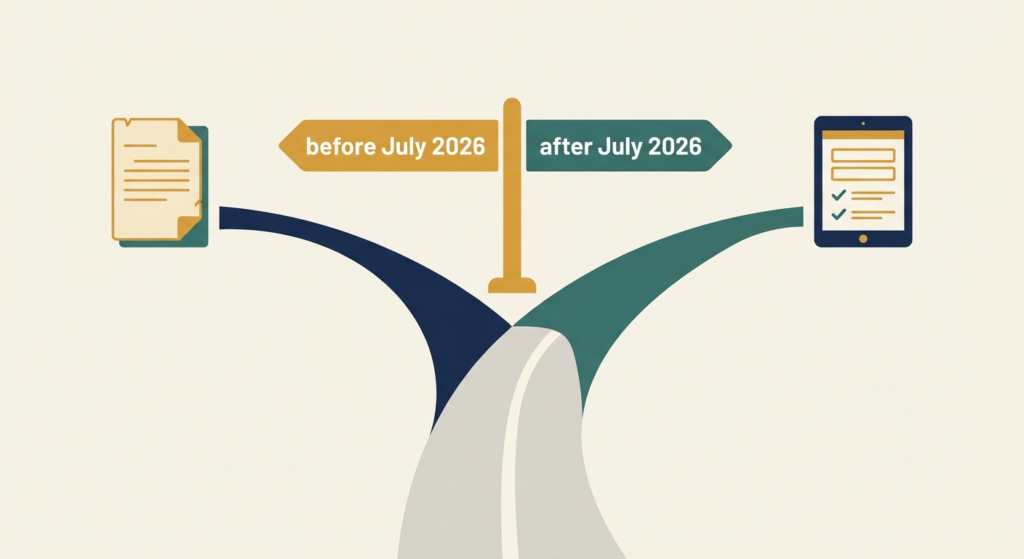
If your loans were disbursed before July 1, 2026: you likely still have access to older income-driven repayment plans, and forgiveness after 20 or 25 years of qualifying payments remains available depending on your plan.
If you took out new federal loans on or after July 1, 2026: you’re now generally required to use the new Repayment Assistance Plan (RAP) or a new tiered standard repayment plan if you want your payments to count toward forgiveness. This is a real structural shift, not a minor tweak — older plans like PAYE and ICR are being phased out entirely over the next two years.
If you’re not sure which bucket you fall into, log into your Federal Student Aid account and check your loan disbursement dates before assuming anything about your eligibility.
For more on managing debt and credit alongside your loan payments, see our full Credit & Loans coverage.
Public Service Loan Forgiveness (PSLF): Still Active
PSLF remains one of the most reliable forgiveness paths available. If you work full-time for a qualifying government or nonprofit employer and make 120 qualifying monthly payments, the remaining balance on eligible federal Direct Loans gets forgiven.
What’s different in 2026: borrowers who took out loans on or after July 1, 2026 generally need to be enrolled in RAP for their payments to count toward that 120-payment total. There have also been changes this year to which employers qualify, so if your job title or employer type is borderline, it’s worth periodically certifying your employment rather than waiting until you think you’ve hit 120 payments — this lets the Department of Education flag problems early instead of surprising you at the finish line.
Income-Based Repayment (IBR): The Most Legally Solid Option Right Now
For borrowers with loans disbursed before July 1, 2026, IBR is currently considered the most legally stable route to forgiveness, since it wasn’t tied up in the same legal challenges that hit SAVE. One useful change: the old partial-financial-hardship requirement was removed, meaning more borrowers can enroll in IBR regardless of current income.
One practical thing to know if you’re relying on IBR: discharge processing has been inconsistent. It was paused in mid-2025, resumed a few months later, and a new batch of discharge notices went out as recently as August 2026. Eligibility gets checked in batches every other month, so there can be a real gap between hitting your qualifying-payment threshold and actually seeing your loan discharged. Don’t panic if there’s a delay — but don’t assume something’s wrong with your account either.
The Tax Question Nobody’s Talking About Enough
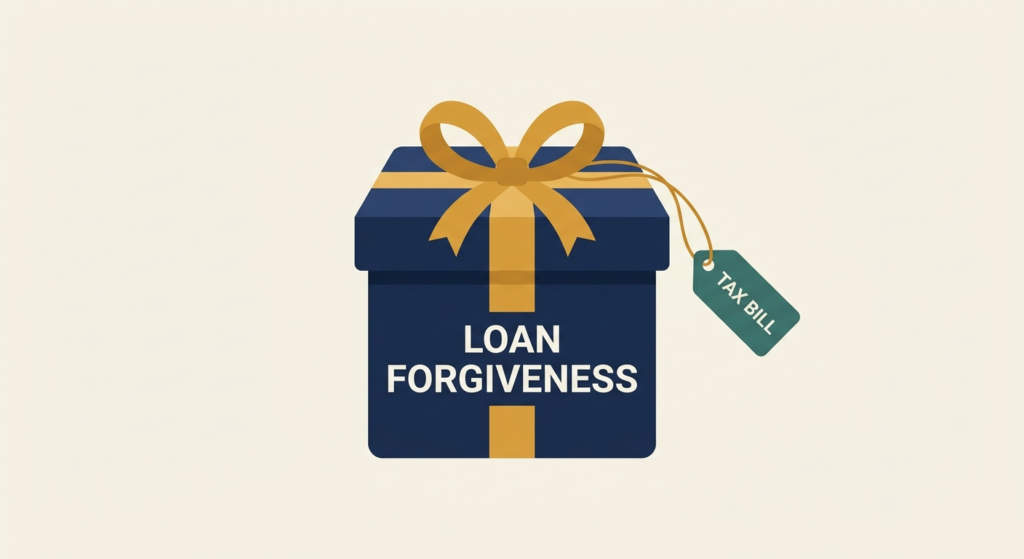
Here’s something that catches a lot of borrowers off guard: forgiven student loan debt can come with a tax bill. A 2021 provision that made forgiven student loan debt tax-free at the federal level was tied to expire, and lawmakers have been actively pushing to prevent what’s been described as a “tax bomb” hitting borrowers who receive forgiveness. If you’re expecting forgiveness soon, this is worth checking on directly rather than assuming your forgiven balance is automatically tax-free — the rules here have been shifting and vary depending on when your forgiveness is processed.
What Actually Ended (So You Stop Worrying About It)
To be direct about what’s gone, since a lot of outdated content online still references these as if they’re current:
- The SAVE plan is no longer available as a repayment option.
- The broad, one-time mass student loan cancellation attempted under the Biden administration did not survive legal challenges and isn’t happening.
- PAYE and ICR are being phased out, with a scheduled retirement no later than July 1, 2028 — so if you’re on one of these now, expect to transition to a different plan before then.
What to Actually Do Right Now
If you’re trying to figure out where you stand, here’s a realistic starting point:
- Log into your Federal Student Aid account and check your loan types, balances, and disbursement dates — this single piece of information (before or after July 1, 2026) determines almost everything else about your options.
- Identify which program actually fits your situation — PSLF if you work in public service, IBR if you have older loans and want the most legally stable forgiveness path, or RAP if your loans are newer.
- Recertify your employment or income annually, even if you don’t think anything’s changed — this is what prevents processing surprises later.
- Watch for scams. Any company charging an upfront fee to “enroll” you in forgiveness or promising guaranteed fast-tracked forgiveness is not legitimate — these programs are free to apply for directly through the Department of Education.
The Bottom Line
Student loan forgiveness in 2026 isn’t the story of “it’s over” that a lot of headlines suggest, but it’s also not the same landscape it was a few years ago. The programs are real, active, and discharging loans — but which one applies to you now depends heavily on when you borrowed and which repayment plan you’re on. If you haven’t checked your Federal Student Aid account in the last few months, that’s genuinely the first thing to do before making any other decisions about your loans.
This post reflects the student loan forgiveness landscape as of September 2026. Federal loan policy has changed multiple times in recent years and may change again — always verify your specific situation through your Federal Student Aid account or a qualified loan servicer before making decisions.