
First-Time Home Buyer Programs You’ve Probably Never Heard Of
When people talk about buying their first home, the conversation almost always jumps straight to FHA loans and the 20% down payment myth. What rarely gets mentioned is that there are thousands of lesser-known programs designed specifically to make that first purchase possible — many of which go unused simply because nobody’s heard of them.
Here are the programs worth knowing about before you assume homeownership is out of reach.
You’re Leaving Money on the Table More Than You’d Think
More than 2,500 down payment assistance programs exist across the U.S. at the federal, state, and local level, and research from Down Payment Resource shows the average benefit per program is around $18,000 — enough to meaningfully change what’s affordable. Yet a huge share of eligible buyers never apply, largely because these programs aren’t widely advertised and don’t show up in a typical “how to buy a house” search.
1. USDA Loans — Zero Down, and More Areas Qualify Than You’d Guess
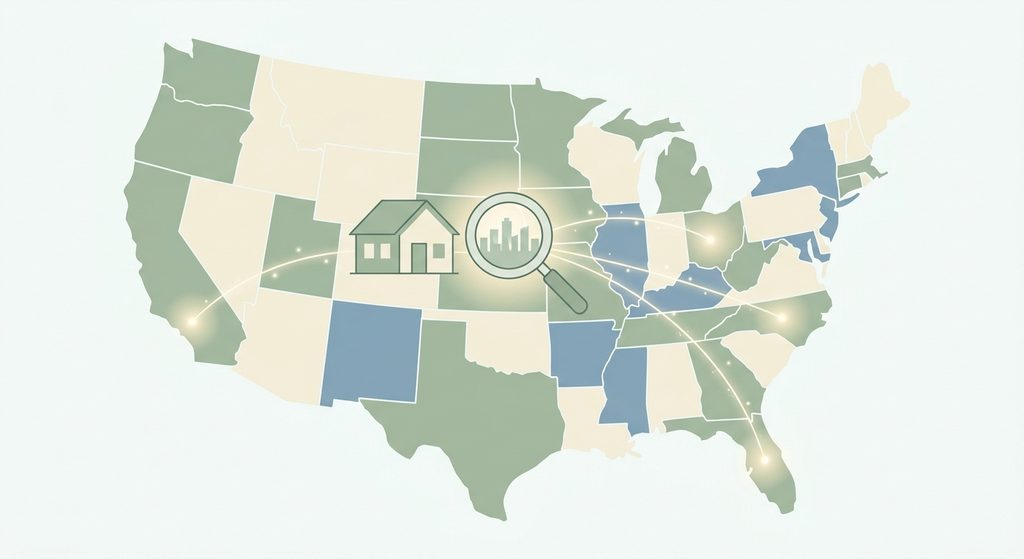
The USDA loan program offers 0% down financing for homes in eligible rural and suburban areas — and “rural” is defined far more loosely than most people assume. Plenty of small towns and outer-suburb communities within commuting distance of mid-size cities technically qualify.
The move: Before assuming you don’t qualify, check the official USDA eligibility map by address. It takes two minutes and rules a lot of people in who assumed they were ruled out.
2. State Housing Finance Agency (HFA) Programs
Nearly every state runs its own housing finance agency offering below-market mortgage rates, down payment assistance, and closing cost help — often stackable with FHA, VA, or conventional loans. These are state-run, not bank-run, which is exactly why they don’t show up when you’re shopping lenders directly.
The move: Search “[your state] housing finance agency first-time buyer program” — most have an income calculator right on their site.
3. Down Payment Assistance Grants (Not Loans)
Not all down payment assistance has to be repaid. Many programs offer true grants — money that doesn’t need to be paid back as long as you stay in the home for a set minimum period (often 3–5 years). Others offer forgivable second mortgages that reduce to $0 over time.
The move: Ask any lender you’re working with directly whether they participate in grant-based DPA programs — not all do, and the ones that don’t simply won’t mention it.
4. Good Neighbor Next Door Program
If you’re a teacher, law enforcement officer, firefighter, or EMT, HUD’s Good Neighbor Next Door program offers eligible homes at 50% off the listed price in designated revitalization areas, in exchange for a commitment to live there for three years.
The catch: Inventory is limited and location-specific — but for eligible buyers in the right professions, this is one of the biggest discounts available anywhere in federal housing policy.
5. Employer-Assisted Housing Programs
A growing number of employers — hospitals, universities, and some large companies — offer homebuying assistance as a benefit, ranging from forgivable loans to matched down payment savings.
The move: Check with HR before assuming this doesn’t exist at your workplace. It’s rarely marketed well internally, even when it’s offered.
6. First-Generation Homebuyer Grants
A newer and fast-growing category: programs specifically for buyers whose parents never owned a home, recognizing that generational wealth gaps make the first purchase in a family meaningfully harder. These programs have expanded quickly in the past two years at both the state and nonprofit level.
The move: Search “first-generation homebuyer grant [your state]” — this category didn’t widely exist a few years ago, so even people who’ve researched home buying programs before may not know it now does.
How to Actually Find These Without a Full-Time Research Project
- Start with Down Payment Resource’s free program search by zip code.
- Ask your state housing finance agency directly — don’t rely on a lender to volunteer this.
- Ask HR if you work for a hospital, university, or large employer.
- Check USDA’s eligibility map before ruling out a zero-down loan based on assumption alone.
- Ask every lender you talk to the same question: “What down payment assistance or grant programs do you participate in?” — answers vary more than you’d expect.
The Bottom Line
The biggest barrier to many of these programs isn’t eligibility — it’s awareness. Down payment assistance, USDA zero-down financing, employer benefits, and first-generation grants exist specifically because the traditional path to homeownership doesn’t work for everyone the same way. The only real mistake is assuming none of it applies to you before you’ve actually checked.
This post reflects down payment assistance program data and USDA loan guidelines as of 2026. Program availability varies by location and changes over time — confirm current details with your state housing finance agency or a participating lender.