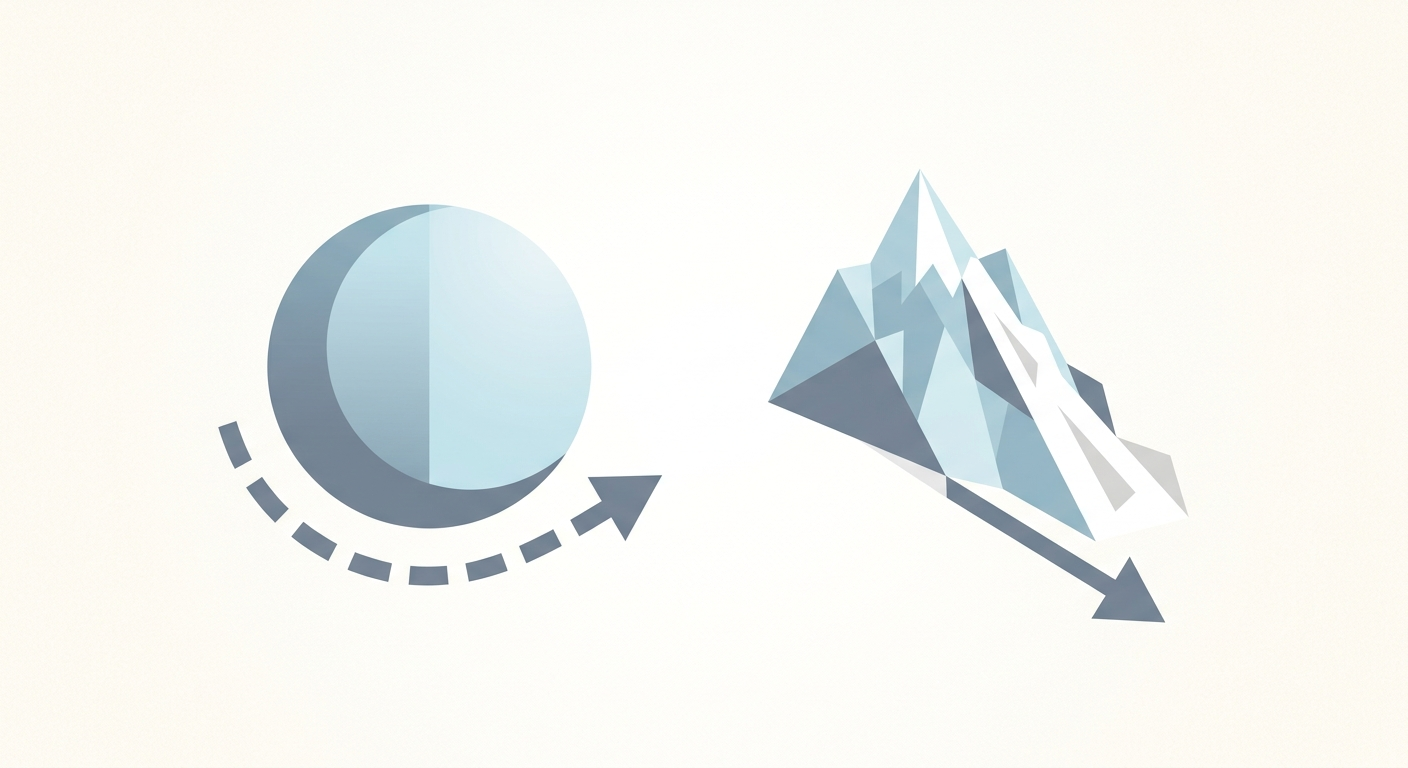
Avalanche vs. Snowball: Which Debt Payoff Method Actually Works Faster
If you’ve got more than one debt and you’re ready to attack it, you’ve probably run into two names over and over: the debt avalanche and the debt snowball. Both promise to get you to zero. Only one of them is mathematically faster — but “faster” and “actually finished” aren’t always the same thing.
Here’s how to tell which one will actually work for you.
You’re Not Alone in Carrying This
Credit card debt in the U.S. isn’t a fringe problem — it’s the norm. The average American carries $6,610 in credit card debt as of Q2 2026, and the average APR on cards currently accruing interest sits at 22.15%. That interest rate is exactly why how you pay off debt matters almost as much as that you’re paying it off — a high enough rate can make your minimum payments feel like running on a treadmill.
The Avalanche Method: Minimize What You Pay
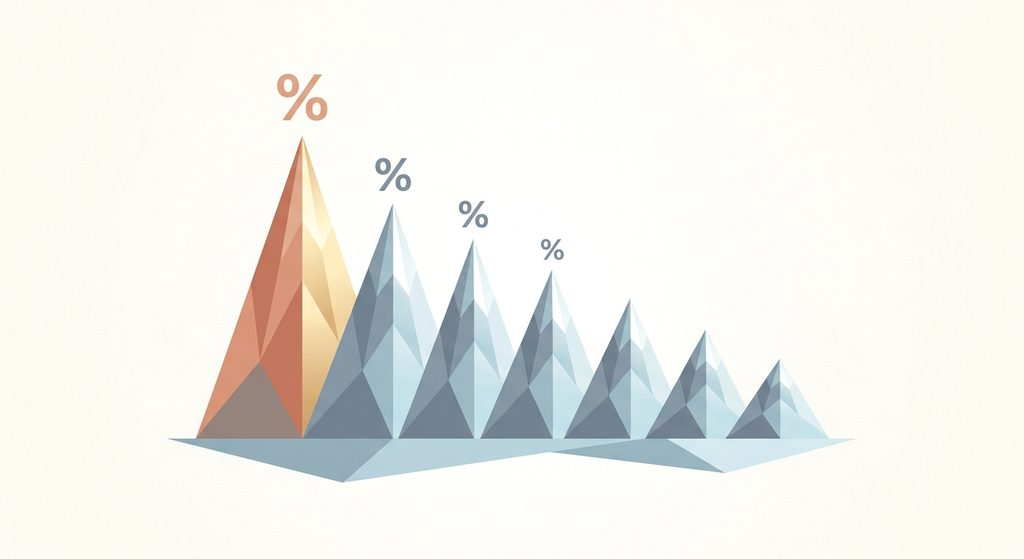
With the avalanche method, you list every debt by interest rate, highest to lowest. You pay minimums on everything, then throw every extra dollar at the highest-rate balance first. Once that’s gone, you roll the full payment into the next-highest rate, and so on.
The math: This is the mathematically optimal method. By killing your highest-interest debt first, you minimize total interest paid over the life of your payoff — often by hundreds or thousands of dollars compared to other methods.
The catch: Your highest-interest debt isn’t always your smallest balance. That can mean a long stretch before you see a debt fully disappear, which is where a lot of people lose momentum.
The Snowball Method: Build Unstoppable Momentum

With the snowball method, you ignore interest rates entirely and list debts by balance, smallest to largest. You pay minimums on everything, then throw every extra dollar at the smallest balance first. When it’s paid off, you roll that payment into the next-smallest — gaining size as you go, like a snowball rolling downhill.
The upside: You get a full debt eliminated fast, sometimes within the first month or two. That early win is a real psychological lever — it’s the difference between “this might actually work” and giving up three months in.
The tradeoff: Mathematically, you’ll usually pay more in total interest than the avalanche method, because a low-interest small balance can jump the line ahead of a high-interest larger one.
So Which One Is Actually Faster?
Here’s the honest answer: avalanche is faster at eliminating total debt and total interest paid. Snowball is faster at delivering your first win.
If you’re the kind of person who sticks to a plan based on logic alone, avalanche will get you to zero sooner and cheaper. If you’ve started and abandoned debt payoff before, the snowball’s quick wins are often what keeps you in the game long enough to finish — and a method you actually stick with beats a theoretically faster one you quit on.
The Hybrid Approach: Get Both Benefits
You don’t have to pick a side forever. A common strategy — sometimes called a “debt blizzard” — works like this:
- Start with snowball to knock out one or two small debts fast and build confidence.
- Switch to avalanche once you have momentum, targeting your highest-interest balances with full intensity.
- Keep minimums current on everything else throughout, no matter which phase you’re in.
This gets you the early motivation of snowball and the long-term savings of avalanche, without having to choose one identity and stick to it forever.
Before You Start: Get Your Baseline Right
Whichever method you choose, it only works if you consistently have extra money to throw at debt every month — which is a lot harder if your income isn’t steady. If that’s your situation, it’s worth reading how to budget when your income isn’t the same every month first, since a baseline-income budget is what makes any debt payoff plan sustainable instead of something you abandon the first lean month.
The Bottom Line
Avalanche saves you more money. Snowball keeps you more motivated. Neither one works if you quit — so the “best” method is the one you’ll actually follow through on. If you’re not sure which you are, start with one small win using snowball, then shift into avalanche mode once the habit sticks.
This post reflects Federal Reserve credit card debt and APR data as of Q2 2026. Individual results vary based on your specific balances, rates, and budget — consult a financial professional for guidance specific to your situation.